A2Guide
Plastic vs fabric storage bins, and where wicker and metal fit
The short answer
Plastic is best where you need a seal, a wipe-clean surface and stacking: garages, attics, pantries. Fabric is best for soft things on open shelves. Wicker suits things that like air and look good on show, and metal wire suits produce, bottles and gear you want to see.
Are plastic or fabric storage bins better?
Neither wins everywhere. Plastic is better for anything that faces damp, dust, pests or stacking, and it wipes clean. Fabric is better for clothes, linens and soft toys on open shelves, because it breathes and looks softer. Plastic in the garage and fabric in the bedroom is a sound default.
Plastic boxes are usually polypropylene or polyethylene, stiff enough to stack and easy to clean. Their weakness is that a sealed box keeps in whatever moisture you pack with the contents. Fabric bins, usually over a card or fibreboard frame, let air through but sag under weight, can’t be sealed and absorb spills.
For textiles, conservators stress clean, dry and cool over any one material. The Canadian Conservation Institute notes that polyethylene plastic and acid-free boxes are both acceptable, provided textiles are clean and dry and the storage place is cool, dark and dry.
All four storage bin materials compared
| Material | Best for | Watch out for |
|---|---|---|
| Plastic | Garage, attic, pantry, under the bed, moving | Traps damp if packed wet; cheap lids crack |
| Fabric | Closet shelves, cube units, soft toys | Sags, stains, no seal against dust or pests |
| Wicker / rattan | Throws, toys, produce, open shelves | Snags fabric, gathers dust, small items fall through |
| Metal wire | Produce, cans, cleaning bottles, sports gear | Small things slip through; can mark shelves |
| Fibreboard / card | Paper, photos, office, closet shelves | Damp ruins it; not for garages or basements |
When is a wicker basket the right storage bin?
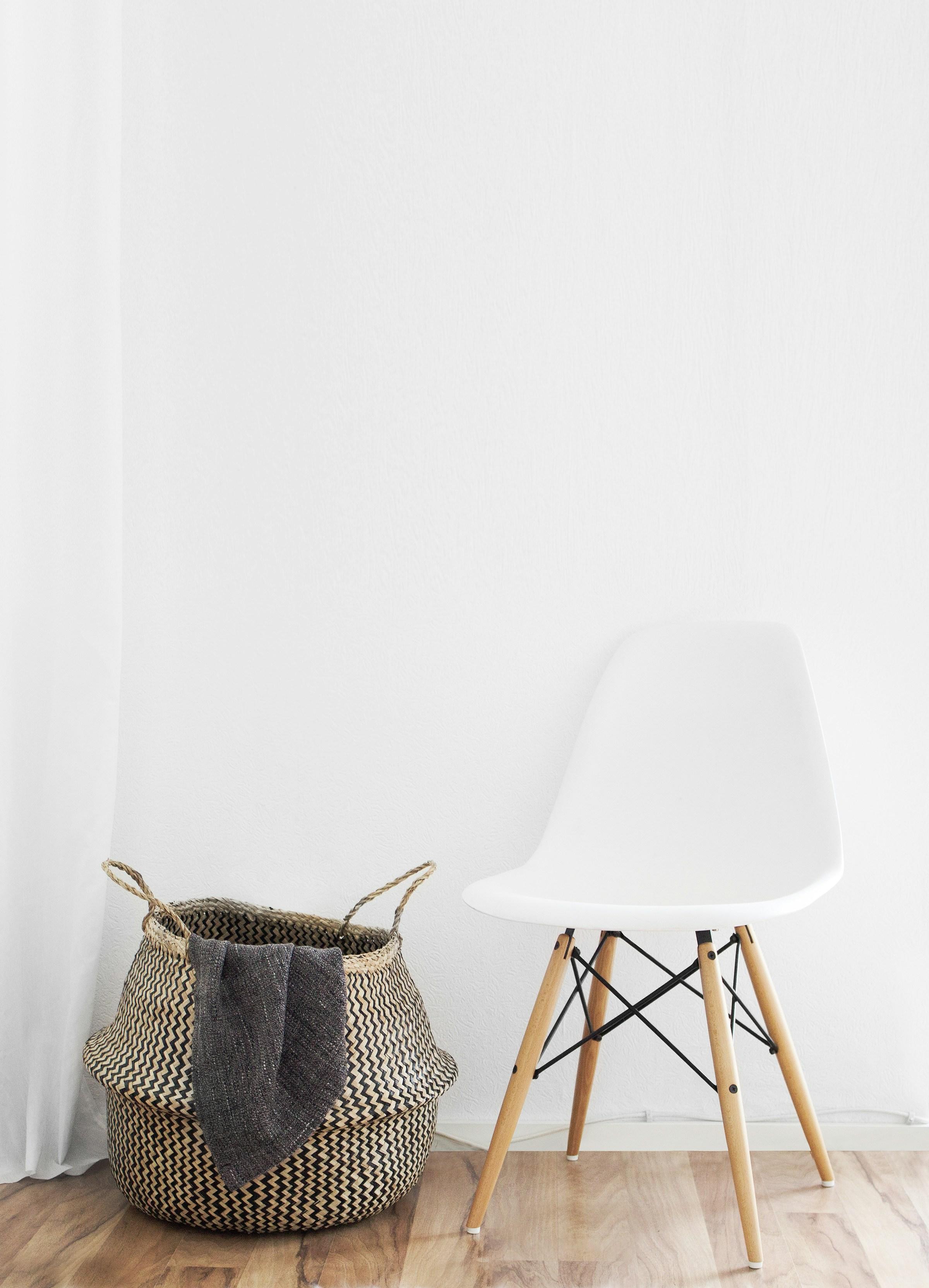
Choose wicker when the bin is on show and the contents like air: throws in a living room, toys in a nursery, bread, onions and potatoes in a pantry, towels in a bathroom. Line it with fabric for anything that snags, and skip it in damp rooms and for small parts.
When are wire storage baskets the best choice?
Wire baskets win where airflow and quick visibility matter more than looks: produce and cans in a pantry, bottles under a sink, balls and gloves in a garage. They are strong and easy to clean. They are the wrong choice for small loose things, which slip through the grid unless you add a liner.
Can you mix storage bin materials in one room?
Yes, if each material does a job and every bin carries the same style of label. A pantry might use glass canisters for staples, clear plastic for packets and a wire basket for produce. Keep one material per shelf where you can, so the eye reads each shelf as one calm line.
Next: how to choose storage bins for size, walls and lids, or closet storage bins for fabric in practice.
Do fabric storage bins hold their shape?
Fabric bins hold their shape well on a shelf if they have a stiff frame or insert, but they sag when overfilled or pulled out like drawers many times a day. For drawer-style use, or anything heavy, choose rigid plastic, wood or fibreboard. Keep fabric for lighter, softer things you lift out from above, where its softness is an advantage.
Frequently asked questions
Yes, for clothes you use in season on open shelves: fabric breathes, is soft on knits and folds flat when empty. For long-term storage in a damp or dusty place, a clean, lidded plastic box or an acid-free box is safer, provided everything goes in clean and fully dry.
Plastic doesn't cause mold, but a sealed box traps whatever moisture goes in with the contents. Mold grows when damp things are sealed away or a bin sits somewhere humid. Pack only clean, dry items, keep bins off cold concrete floors, and check them each season.
Wicker is good for things that like air and look good on show: throws, toys, onions and potatoes, magazines. It is less good for small items that fall through gaps, for anything that snags, or for dusty places, because the weave collects dust and can't be wiped like plastic.
Wire baskets suit things that need airflow or quick visibility: produce, cans, cleaning bottles, sports balls and garage gear. They are strong and easy to see into. Line them, or choose something else, for small loose items that would slip through the grid.
They are useful when bins come and go, for example seasonal clothes or a guest room, because they fold flat when empty. The trade-off is strength: collapsible bins are usually less rigid than fixed ones. Check that the base has a stiff board if you will fill them with anything heavier than clothes.
Sources
- 1.Basic care: textilesCanadian Conservation Institute, Government of Canada
- 2.How do I store antique textiles at home?Smithsonian Institution
Sources checked . Product ranges change, so confirm sizes and specs with the maker before you buy. We are independent and no company named pays us. Read the disclaimer or how we check facts.